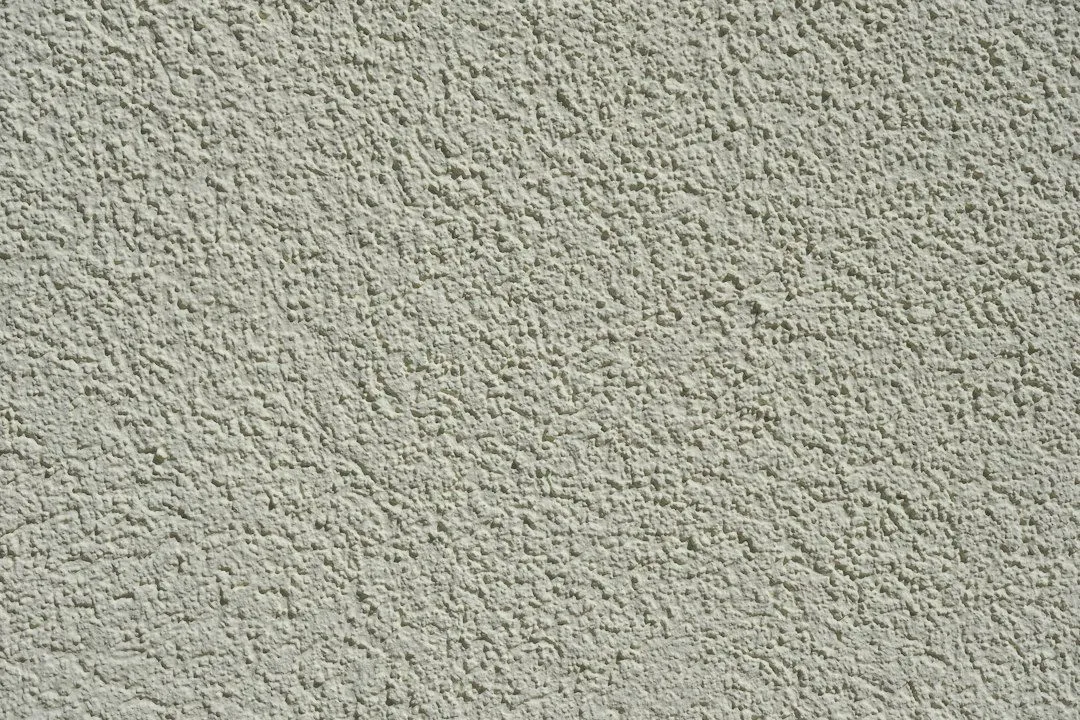
Limewash walls and Venetian plaster are both lime-based finishes, but they arrive at very different results — and choosing between them comes down to the look you’re after, the room it goes in, and what the wall has to do over time.
What they share
Both begin with slaked lime. Both breathe, which matters in coastal homes where humidity swings. Both age rather than deteriorate — the material quality improves with time rather than showing wear. For those reasons, either is a better long-term call than most paint or synthetic finishes.
What limewash looks like
Limewash is applied as a diluted lime paint, then partially wiped back before it dries. That technique leaves a soft, cloudy texture — an uneven, translucent surface that catches light and shifts in color through the day. It has movement to it.
The look is at once aged and clean: the walls of an Italian farmhouse or a Swedish manor, worn in the best sense. The finish is matte, not polished. It absorbs light rather than bouncing it, which softens a room and makes it read as quieter than it might otherwise.
What Venetian plaster looks like
Venetian plaster is built up in thin layers of lime and marble dust, then burnished with a steel trowel to a smooth, semi-polished surface. The effect is more architectural than painterly — it reads like fine stone, with a subtle sheen that shifts as light moves across it.
Where limewash feels soft and atmospheric, Venetian plaster feels precise and constructed. Both can be quiet, but they are quiet in different ways.
Durability, cost, and upkeep
Both are durable when applied correctly. Venetian plaster, because it is burnished, is denser and harder than limewash. It holds up well in kitchens, bathrooms, and other high-traffic areas that see frequent contact.
Limewash is slightly more vulnerable to marks from oil or heavy contact, though it repairs easily — a small touch-up blends in far better than it would on paint. Because Venetian plaster requires more skilled labor and more passes to build and burnish, it is typically more expensive to apply than limewash. Either finish should be executed by an applicator who understands lime materials; the skill of the hand matters as much as the product itself.
Where each finish fits
Limewash suits rooms where you want a softer, more textural presence: bedrooms, living rooms, dining areas, covered outdoor walls. The weathered quality reads particularly well in coastal Orange County homes where the palette tends toward quiet, material warmth.
Venetian plaster earns its place in higher-polish rooms: entries, great rooms with clean-lined millwork, primary baths, and fireplace surrounds. For a deeper look at where it works best and what to know before specifying it, see the studio’s guide to Venetian plaster walls.
Which to choose
Ask what the room is doing. A calm, textural bedroom probably wants limewash. A dramatic entry that needs to stand on its own — finished, resolved — probably wants Venetian plaster. Neither is decorative in the conventional sense; both are architecture. The choice is really about which version of quiet you’re after.
The studio works through both finishes regularly and specifies them as part of full-service interior design — selecting the right product for the room, sourcing a skilled applicator, and overseeing the result.
Thinking through a wall finish for your home? Get in touch.