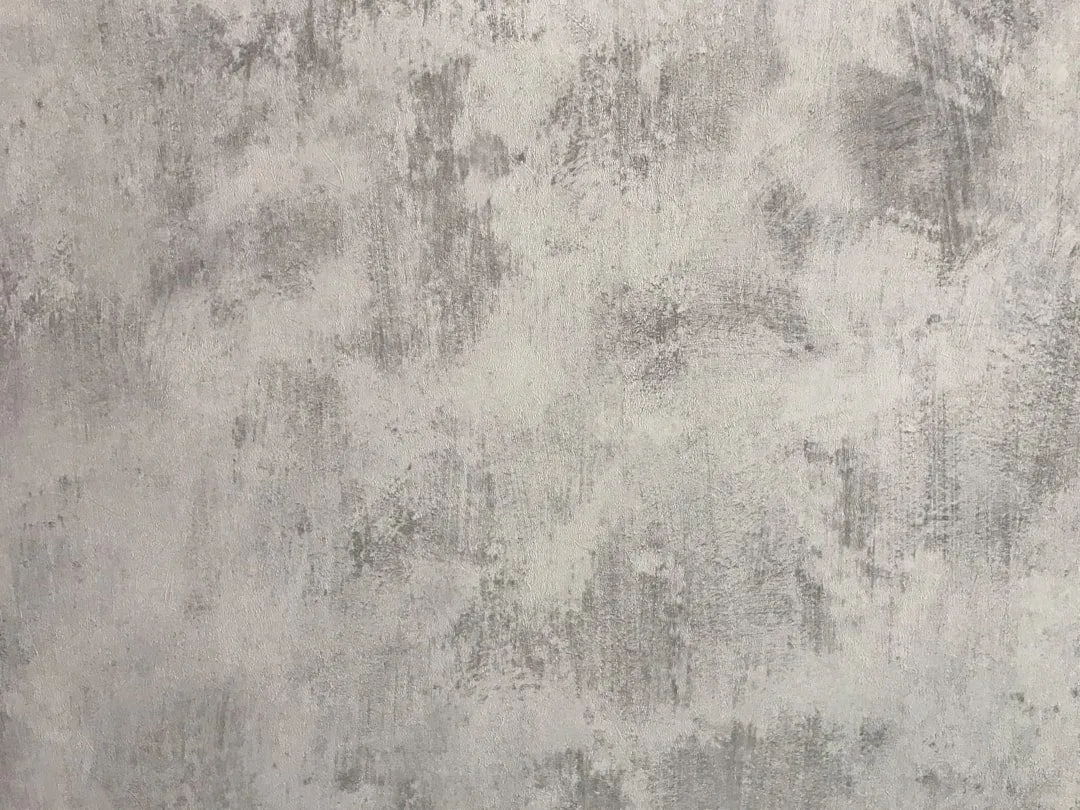
Few finishes do as much for a room as plaster. Venetian plaster walls carry light differently than paint — a soft, stone-like depth that shifts through the day — which is exactly why they keep returning to good interiors. Here is a plain-language guide to what they are and where they belong.
What Venetian plaster is
Traditional Venetian plaster is a finish of slaked lime and fine marble dust, applied in thin layers and burnished to a smooth, subtly polished surface. Because the depth is built from real material rather than printed on, it reads as architecture, not decoration.
Venetian plaster vs. faux Venetian plaster
“Faux Venetian plaster” usually means an acrylic or tinted-glaze product that imitates the look at lower cost and with easier application. It can be convincing, but it lacks the true lime finish’s breathability and its way of catching light. For a primary, light-filled room, the real thing earns its cost; for a powder room or a quick refresh, a faux finish can be the right call.
Where it works best
Plaster rewards rooms with good light and clean lines — entries, great rooms, primary suites, and fireplace surrounds. In coastal Orange County homes it pairs naturally with honest woods and natural stone, holding up to bright, reflected light without going flat. Hardware finishes that develop the same honest patina — like unlacquered brass — complement a plaster room naturally.
Before you specify it
Sample at scale and in the room’s real light; commit to a skilled applicator (plaster is only as good as the hand that lays it); and decide on sheen early, since burnish level changes the whole mood. As part of full-service design, the studio specifies and supervises finishes like this so they land as intended. For a direct comparison with limewash — another lime finish with a very different character — see Limewash vs. Venetian Plaster: Choosing a Wall Finish.
Considering plaster for your home? Get in touch.